Payment Processing Solutions for the Gaming Industry
- payfirmly
- Nov 7, 2025
- 6 min read

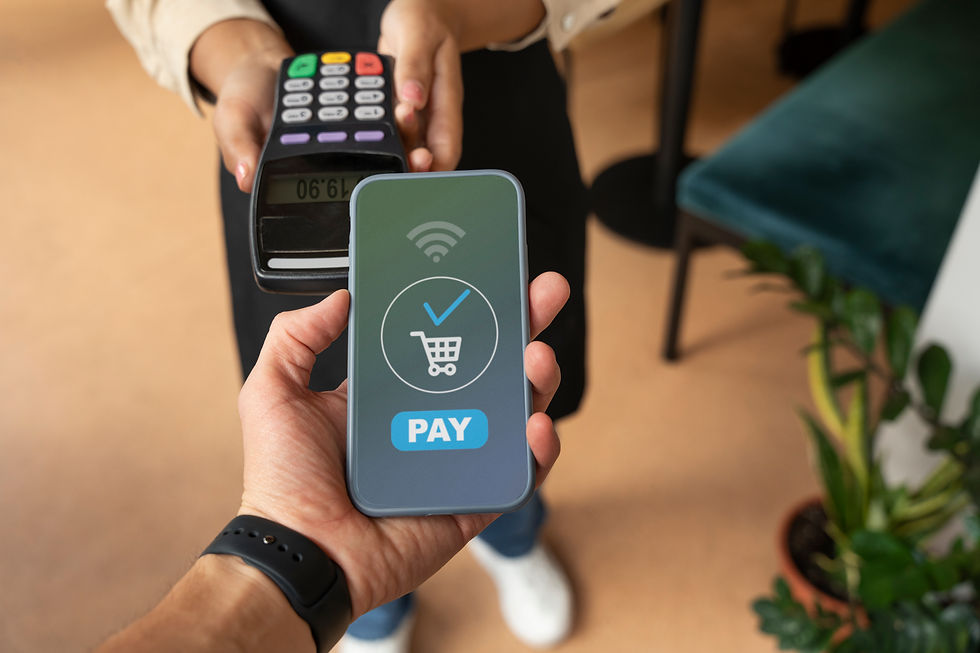
The gaming industry has changed drastically over the last decade. From casual mobile gaming to high-stakes online casinos, every platform now requires smooth, secure, and instant payment experiences. As a gamer or gaming business, I’ve seen firsthand how a delayed transaction or payment failure can ruin a player’s excitement. That’s why reliable Payment Processing Solutions for the Gaming Industry have become the backbone of today’s global entertainment economy.
In this post, I’ll walk you through the major challenges, innovations, and technologies shaping gaming payments and how modern platforms are solving them to deliver seamless user experiences.
Why Payment Processing Matters More Than Ever in Gaming
Every successful gaming platform whether it’s an eSports marketplace, online casino, or subscription-based app depends on trust. Players expect to make deposits, buy in-game assets, and cash out winnings instantly.
However, behind this convenience lies a network of complex systems that verify identities, handle multiple currencies, and comply with international regulations. The true power of modern Payment Processing Solutions for the Gaming Industry lies in simplifying this complexity while keeping everything secure.
Let’s take a closer look at the main reasons payment processing is vital:
Speed: Gamers expect immediate confirmation slow transactions lead to churn.
Security: Protecting financial data and in-game assets from fraud is non-negotiable.
Compliance: Operators must follow KYC, AML, and regional payment laws.
Scalability: Platforms need solutions that work across regions and currencies.
In short, efficient payment processing builds the bridge between fun and financial functionality.
Key Challenges in Gaming Payments and How They’re Evolving
From card rejections to regional restrictions, payment challenges have long plagued the gaming sector. But the rise of new technologies is rapidly changing that.
Here are some major challenges that businesses in the gaming industry often face:
High Decline Rates: Due to the high-risk classification of gaming, many transactions are declined by traditional banks.
Regulatory Variations: Different countries have unique compliance requirements, making international payments complicated.
Fraud and Chargebacks: Fraudulent activities, fake accounts, and chargebacks can cause severe losses.
Cross-Border Payments: Handling multiple currencies without extra fees or conversion issues remains a challenge.
To solve these, many operators now integrate Payment Processing Solutions for the Gaming Industry that combine automation, machine learning, and smart routing to ensure maximum approval rates and transparency.
The Rise of Smart Routing in Gaming Transactions
When I first learned about smart routing, it felt like magic — transactions are automatically sent through the best-performing gateway based on success rate, region, or card type.
For gaming companies dealing with millions of microtransactions, this technology improves revenue and reduces payment friction.
Benefits of Smart Routing:
Routes transactions through acquirers with higher success rates.
Reduces declined payments and transaction latency.
Adapts automatically to user location and payment type.
Optimizes processing costs.
Platforms adopting this method see measurable improvement in revenue and happier players who no longer face failed payments.
The Role of Alternative Payment Methods in Gaming
Players are not limited to credit cards anymore. From e-wallets to prepaid vouchers, the variety of options available makes it easier to reach a wider audience.
Some popular payment methods used in gaming include:
E-Wallets (PayPal, Skrill, Neteller): Fast and convenient for global users.
Cryptocurrency Payments: Increasingly popular for privacy-focused gamers.
Mobile Payments: Players can deposit directly from their phone balance.
Bank Transfers and Local Methods: Especially useful for regional gaming markets.
Admittedly, players love flexibility and integrating diverse options is crucial for gaming platforms seeking global growth.
What is the purpose of blockchain technology?
Many gaming operators are turning to blockchain to solve transparency and trust issues. But what exactly makes blockchain useful in payment processing?
Blockchain ensures that all payment records are transparent, immutable, and traceable. This technology helps players and operators verify every transaction without relying on intermediaries.
Key purposes of blockchain in gaming payments include:
Transparency: Every transaction is recorded on a public ledger.
Security: Data encryption prevents tampering or manipulation.
Faster Settlements: Eliminates the need for third-party verifications.
Ownership Proof: NFTs and blockchain-based items offer verified ownership.
In the same way, blockchain brings integrity to payment systems — ensuring that both players and operators enjoy fairness and accountability in every transaction.
Building Player Trust with Secure Transactions
Trust isn’t built overnight. Gaming platforms that prioritize data security and privacy are the ones that survive in the long run.
Some strategies that help build and retain user trust include:
Using PCI-DSS compliant payment gateways.
Implementing two-factor authentication (2FA) for all transactions.
Offering clear refund and withdrawal policies.
Keeping communication transparent in case of disputes.
Still, one major mistake I’ve seen gaming platforms make is overcomplicating the payment process. Players prefer quick, intuitive, and mobile-friendly interfaces — so user experience must be a top priority.
Cross-Border Gaming Payments and Currency Management
When gaming platforms expand internationally, they often face complex payment challenges such as fluctuating exchange rates, local banking limitations, and regulatory hurdles.
That’s where smart Payment Processing Solutions for the Gaming Industry come into play.
Modern platforms are equipped with tools to handle:
Multi-currency settlements.
Real-time conversion at competitive rates.
Local payment options for different regions.
Dynamic compliance screening for cross-border laws.
Similarly, platforms that support multiple languages and currencies have a significant advantage in reaching global gamers.
AI and Machine Learning in Gaming Payments
Artificial intelligence is reshaping how payment systems detect fraud and optimize routing. AI-powered payment processors analyze player behavior, transaction history, and geolocation to identify suspicious activity instantly.
For gaming platforms that manage thousands of daily transactions, this automation saves time and improves accuracy.
AI’s Role in Gaming Payments:
Predicting high-risk transactions.
Reducing chargebacks with early detection.
Personalizing payment experiences for loyal players.
These innovations are turning payment systems into intelligent engines that protect both players and businesses.
Why Collaboration with Reliable Partners Matters
Even the most advanced payment technology can fail without the right partners. Gaming platforms need reliable processors, compliance experts, and payment orchestration tools to manage complex transactions globally.
This is where Payfirmly becomes an important name. The company offers tailored payment orchestration services that help gaming platforms manage payments across multiple regions while maintaining compliance and efficiency. Their smart routing, fraud prevention tools, and reporting dashboards make them a dependable choice for businesses that value both performance and safety.
The Future of Payment Processing in Gaming
Looking ahead, we can expect even greater integration of technology in gaming payments.
Emerging Trends Include:
Instant withdrawals and payouts.
Virtual currencies and blockchain-based wallets.
Biometric verification for transactions.
Unified dashboards for managing multiple gateways.
Despite the rapid innovation, one thing remains constant gamers expect reliability. Whether it’s a local eSports competition or a global casino app, payments must work flawlessly every time.
Adapting Payment Processing to the Gambling Sector
Although similar to gaming, the gambling industry faces its own unique challenges. High-risk classification, stringent regulations, and banking restrictions make it harder for operators to find secure solutions.
That’s where payment processors for the gambling industry play a vital role. They offer specialized tools that handle large transaction volumes, detect fraudulent betting activity, and ensure compliance with gambling laws.
By using processors designed for this niche, gambling platforms can maintain stability while offering players quick deposits and withdrawals.
Expanding Reach with Global Gateways
To attract users worldwide, gaming businesses must accept multiple payment options. From Asia to Europe, every market has preferred payment habits.
Integrating international payment gateways allows companies to serve these diverse audiences effectively. These gateways support various currencies, regional payment methods, and local compliance standards making it easier for gamers to transact without friction.
In comparison to traditional processors, global gateways are more flexible, scalable, and adaptive to different regulations.
Centralized Management Through Payment Orchestration
As gaming companies expand, managing multiple gateways can become overwhelming. That’s where a global payment orchestration platform becomes invaluable. It acts as a control center that connects all payment processors, automates routing, and provides real-time analytics.
Operators can monitor success rates, optimize transaction routes, and switch gateways without downtime. This level of flexibility makes payment orchestration one of the most powerful tools for modern gaming platforms.
Conclusion: Building the Future of Gaming Payments
The digital gaming world moves fast and payment systems must keep up. Reliable Payment Processing Solutions for the Gaming Industry are no longer optional; they’re essential to player satisfaction, platform success, and global expansion.
From blockchain-based trust to AI-driven fraud detection, innovation continues to redefine how payments work behind the scenes. By choosing the right partners, adopting new technologies, and focusing on user-friendly design, gaming companies can ensure that every player transaction feels as smooth as the game itself.
After all, in a world where milliseconds matter, payment performance is not just a technical detail it’s part of the game.
Comments